Glazing specification
Confirm the glass type, nominal thickness, pane format and whether the roof, doors and side walls use the same glazing. Look for clear wording in the technical specification.
Serving United Kingdom & surrounding areas
Est. 2026
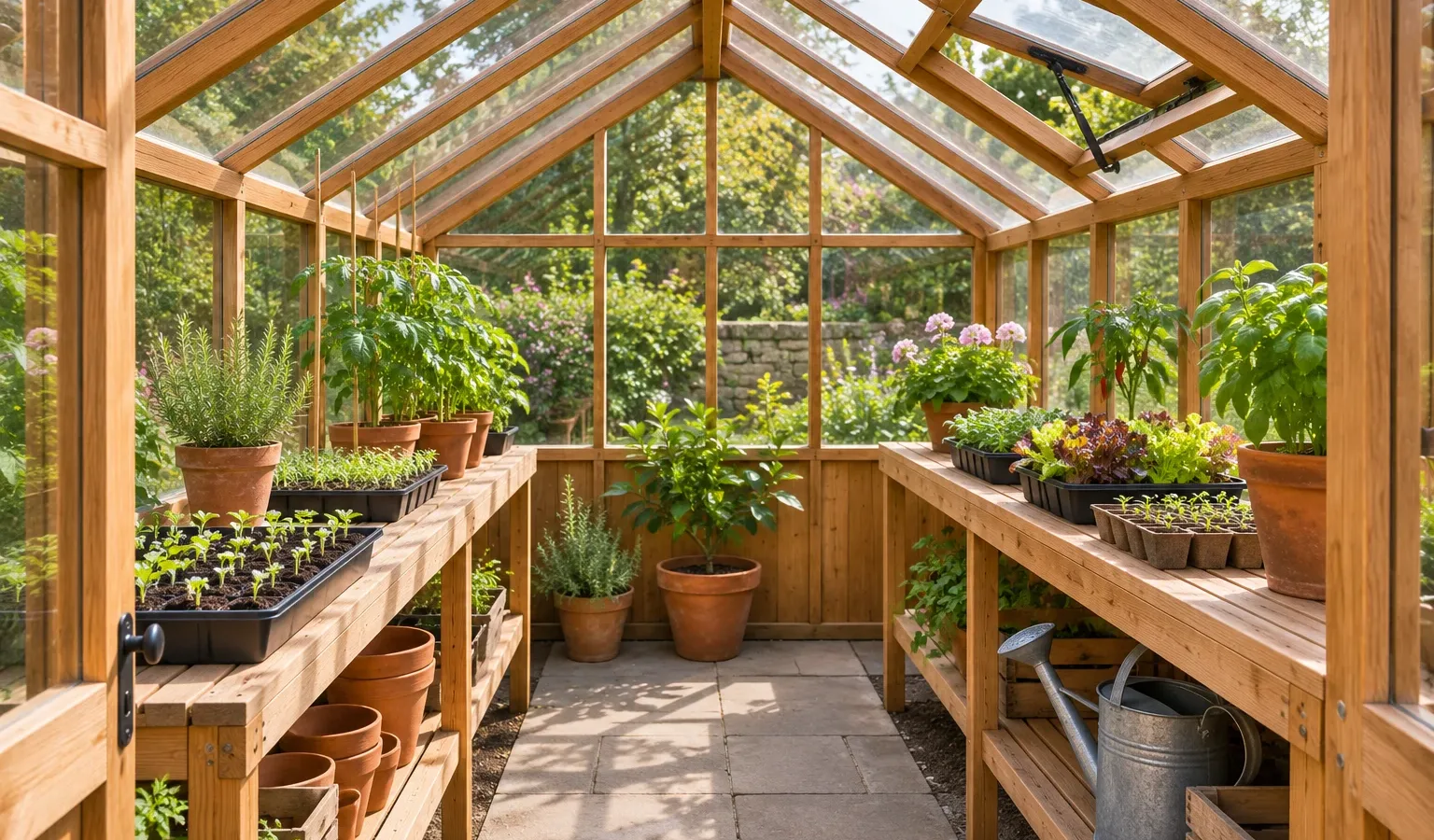
Compare glazing, frames, sizes and safety details before choosing a greenhouse for your garden.
A glass greenhouse gives plants clear glazing, a traditional appearance and a durable growing space, but the glazing specification matters as much as the overall dimensions. Standard horticultural glass, toughened safety glass and overlapping or full-length panes differ in how they break, fit and cope with everyday use.
Greenhouse Guide UK is an independent buying-guide and comparison business founded in 2026 by Stephen Meredith. We compare clearly sourced product specifications and explain the details that can be difficult to judge in retailer listings. We do not sell, manufacture, install or deliver greenhouses. Any purchase takes place with the retailer you choose, and no affiliate partnerships are currently approved.
Before comparing offers, decide where the greenhouse will stand, how much growing room you need and who will use the space. A household with children, pets or a narrow route beside the greenhouse may place greater weight on safety glazing. An exposed garden may call for close attention to frame bracing, anchoring and panel retention. If you are still comparing structures as well as glazing, our independent guide to greenhouses in the UK covers the wider buying decision.
Horticultural glass is the familiar option used in many traditional greenhouses. It transmits light well and is commonly supplied in smaller panes that overlap vertically. It can break into sharp pieces, so positioning and safe handling deserve careful thought. Overlapping panes also create ledges where dirt and algae can collect.
Toughened safety glass is heat-treated and usually breaks into many small granules rather than large, sharp shards. Retailers often supply it in long, full-height panes, which reduce overlaps and give the greenhouse a cleaner appearance. A toughened glass greenhouse can be a sensible choice near paths, play areas or frequently used parts of the garden. Check the exact product specification rather than relying on photographs, as glazing packages can differ between sizes in the same range.
Some listings use terms such as safety glass, tempered glass or full-sheet glazing. Confirm whether the glass is actually toughened, how thick it is, whether the roof uses the same material and whether the glazing carries a permanent safety mark. Polycarbonate is another greenhouse glazing material, but it is not glass and has different optical, weight and fixing characteristics.
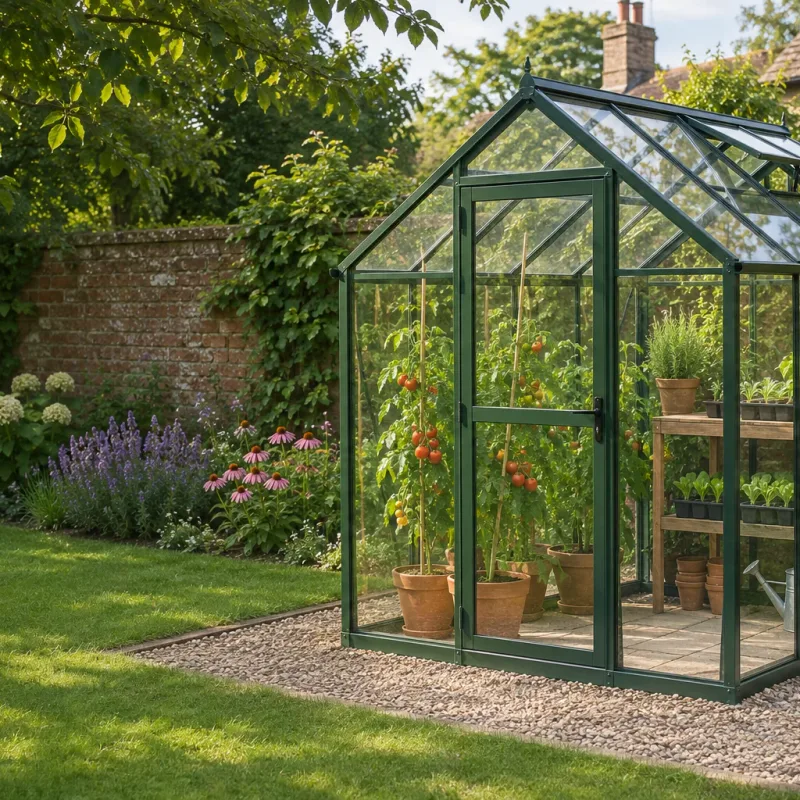
Confirm the glass type, nominal thickness, pane format and whether the roof, doors and side walls use the same glazing. Look for clear wording in the technical specification.
Aluminium needs little routine maintenance and is widely available in bare-metal or powder-coated finishes. Timber has a traditional appearance but needs periodic inspection and treatment.
Compare ridge bars, eaves, corner bracing, glazing clips and door construction. A heavier greenhouse is not automatically stronger, so examine the stated components and anchoring method.
Roof vents release rising warm air, while louvre vents admit cooler air lower down. Check how many vents are included and which are paid extras.
Check the door opening width, threshold and whether the door slides or swings. These details affect access with trays, tools, wheelbarrows and mobility aids.
Find out whether a proprietary base is supplied, optional or unavailable. The greenhouse needs a level, square and securely anchored foundation that matches the manufacturer's instructions.
Measure the usable garden space rather than choosing from the greenhouse's nominal footprint alone. Leave enough room to open doors and vents, clean the outer glass, clear gutters and replace a pane if necessary. Include roof overhangs, rainwater fittings and any outward-opening accessories in your measurements.
In the UK, low winter sun, short winter days and changeable weather make an open position useful. Avoid placing the structure directly beneath overhanging branches, where falling material can damage glazing and persistent shade can encourage algae. Local shelter also matters. Gardens exposed to strong winds need careful anchoring and prompt replacement of missing glazing clips or damaged panels.
A common rectangular layout has a central path with staging or beds on either side. Nominal dimensions do not reveal the full working space, so compare internal eaves height, ridge height, door position and the width between staging. Taller crops and hanging baskets need headroom, while wide staging can make a compact greenhouse feel cramped.
Planning permission is often unnecessary for a domestic greenhouse, but permitted development rights have limits and can be restricted. Listed buildings, designated land, leasehold conditions and local planning controls may change what is allowed. Check the Planning Portal guidance and your local planning authority when the position, height or property status raises a question.
Toughened glass is often worth considering when safer breakage behaviour, full-length panes and easier cleaning are priorities. It is particularly relevant when the greenhouse borders a busy path or is used by a household with children or pets. It does not make the structure unbreakable, and broken panes still need careful containment and replacement.
The upgrade should be judged as part of the whole package. Compare the frame specification, vents, base, fixings, delivery terms and guarantee alongside the glazing. A low headline price may exclude the base, extra vents, staging or installation. Conversely, a package with toughened glazing included may compare well against a cheaper model after essential options are added.
Check whether replacement panes are standard rectangles or model-specific shapes. Curved eaves, unusual roof panels and bespoke door glass may be harder or more expensive to source. Keep the product name, dimensions, assembly instructions and retailer order record so future replacement enquiries are easier.
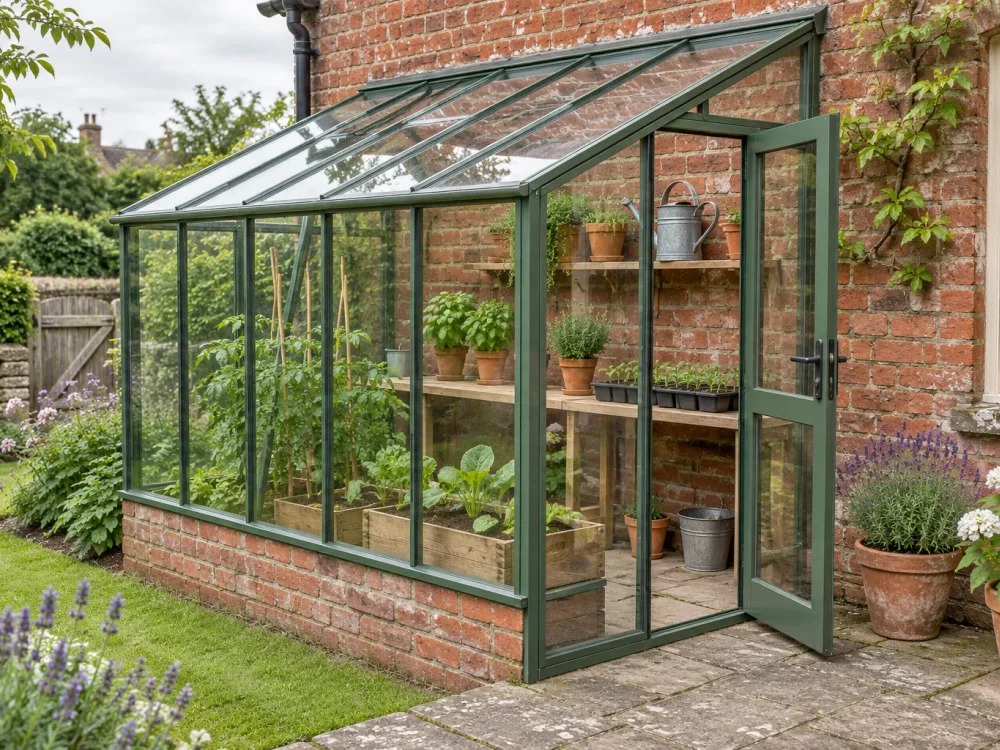
Record the available width and length, access route and clearance needed for cleaning, drainage and door operation. Check that the ground can accept a level, anchored base.
Choose the approximate size, glazing type, frame finish, door arrangement and minimum ventilation. Separate essentials from accessories that can be added later.
Check whether prices include VAT, a base, glazing clips, vents and delivery to your postcode. Record the exact model and glass package because similar product names can hide different specifications.
Confirm kerbside or property delivery, package sizes, access requirements and the procedure for reporting damaged or missing parts. Glass should be inspected as soon as the retailer's terms require.
Review the instructions before ordering and identify any tools, sealants or foundation work required. Confirm how replacement glass and frame components can be obtained.
Inspect a glass greenhouse after severe weather and at the start of each main growing season. Look for cracked panes, missing clips, loose bolts, blocked door tracks and movement at the base. Replace damaged glass promptly and use components that match the manufacturer's stated size and type.
Wash glazing with warm water and a suitable greenhouse cleaner, using a soft brush or sponge that will not damage frame finishes. Avoid putting body weight against a pane. Work from a stable position and follow the cleaner manufacturer's instructions, especially when plants remain inside. Clear gutters and downpipes so rainwater does not overflow around the base.
Take care when removing horticultural glass because edges can be sharp even when the pane appears intact. Wear suitable gloves, eye protection and covered footwear, and keep other people away from the work area. Large toughened panes are heavy and awkward, so professional help may be appropriate if safe handling is uncertain.
Timber frames need checks for failed coatings, soft areas and joints that hold moisture. Aluminium frames should be checked for loose fasteners, distorted channels and corrosion around incompatible fixings. Do not assume silicone sealant is suitable for every frame; use only the glazing method and products permitted by the manufacturer.
Compare the full specification before buying, including glazing, frame, base, ventilation, delivery and replacement-part availability.
Book Your Free InspectionToughened glass is generally the better choice where safer breakage behaviour and full-length panes are priorities. Horticultural glass can cost less and suits buyers who accept overlapping panes and the need for greater care around breakage. Check the exact glass supplied with the roof, walls and doors because one greenhouse package may use more than one glazing format.
The price varies widely with size, glass type, frame finish, brand and included equipment. Toughened glazing, coloured frames, extra vents, a proprietary base and installation can all increase the total. Compare VAT, delivery to your postcode and required accessories before judging an offer; the retailer confirms the final price and purchasing terms.
A glass greenhouse needs a level, square and securely anchored foundation, although that may be a proprietary metal base, prepared perimeter or another manufacturer-approved arrangement. The correct method depends on the model and ground conditions. Follow the instructions because a frame assembled out of square can cause poor door operation and glazing problems.
A greenhouse can enclose soil beds, but its frame should not simply be placed unsecured on uneven ground. The perimeter needs the support and anchoring specified by the manufacturer. Plan drainage around the structure and avoid a position where runoff regularly collects against the base.
There is no single vent count suitable for every greenhouse because size, orientation, crop choice and exposure all affect ventilation needs. Compare the number and area of roof vents, whether lower-level louvres are available and whether automatic vent openers fit the model. Retailer photographs may show optional vents that are not included in the listed price.
Many domestic greenhouses can be built without a planning application, but the answer depends on dimensions, position, land designation and property restrictions. Permitted development rules have limits, and listed buildings or designated land require extra care. Check current Planning Portal guidance and ask the relevant local planning authority when uncertain.
No. Greenhouse Guide UK is an independent comparison and buying-guide business and does not sell, manufacture, install or deliver greenhouses. Purchases take place on the chosen retailer's own service, so its delivery, returns, installation and guarantee terms apply.
Tell Greenhouse Guide UK what size, glazing and frame you are considering, and use the resulting comparison to ask retailers precise questions before placing an order.