
External dimensions
Check the precise metric measurements and whether they include gutters, door tracks or other projections. A nominal six-foot width is not a guaranteed installation dimension.
Serving United Kingdom & surrounding areas
Est. 2026
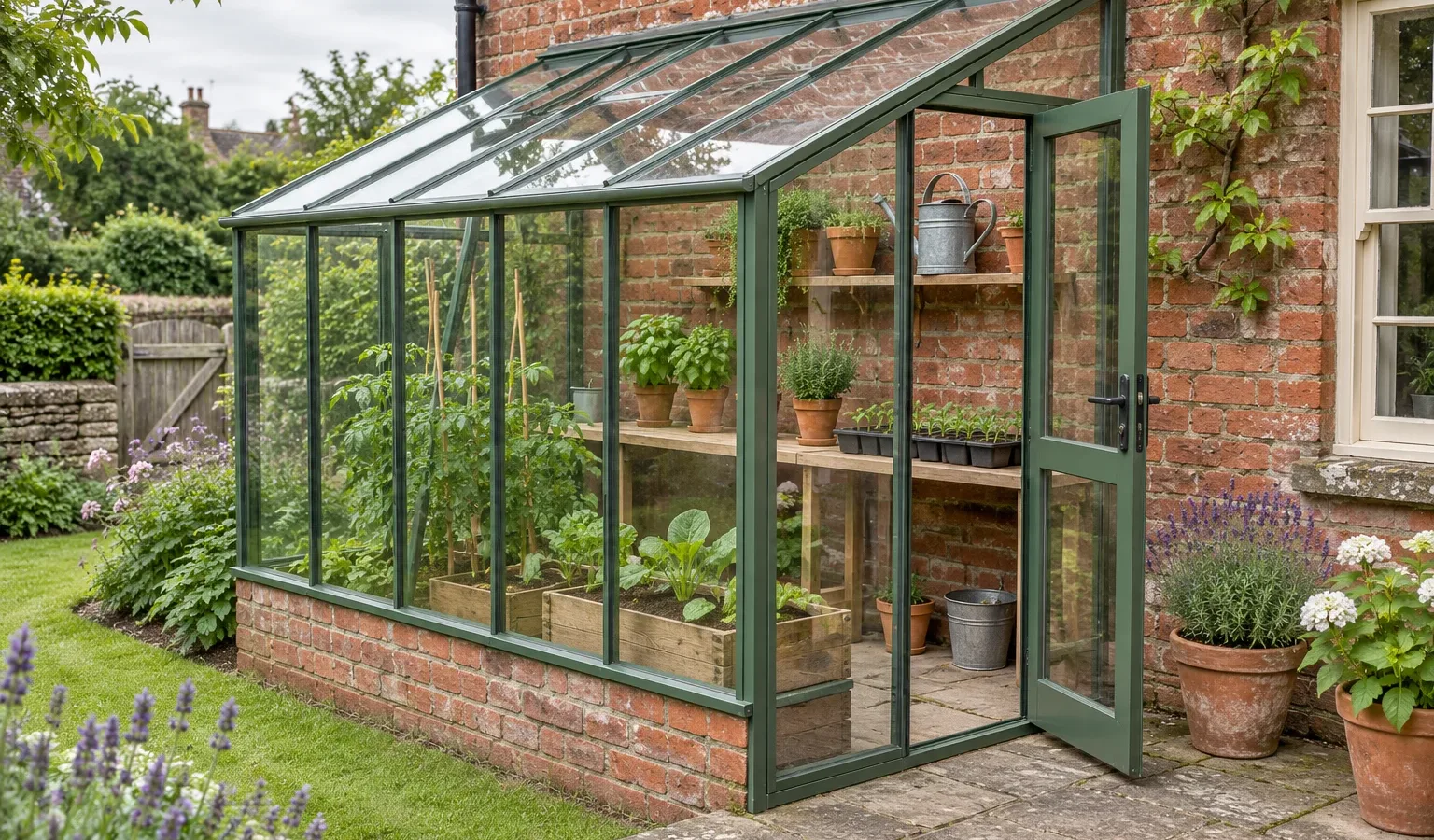
Compare usable growing space, glazing, ventilation, frames and base options before choosing a compact greenhouse for your garden.
A 6 x 6 greenhouse is a practical choice when you want meaningful covered growing space without giving over a large part of the garden. Its nominal footprint is about six feet by six feet, but exact external dimensions vary by model. Always compare the manufacturer's stated width, length, eaves height, ridge height and door opening rather than relying on the size label alone.
This size can suit seed sowing, raising young plants, protecting tender crops and growing tomatoes, chillies or cucumbers. The real capacity depends on the layout. Staging along one side preserves a usable aisle, while staging on both sides adds working area but may make the centre feel narrow. Tall crops need enough headroom and should not obstruct the door or roof vents.
Greenhouse Guide UK is an independent buying-guide and comparison business founded in 2026 by Stephen Meredith. We compare clearly sourced product specifications and explain how differences in glazing, frames, bases and ventilation affect day-to-day use. Greenhouse Guide UK does not sell, manufacture, install or deliver greenhouses. Any purchase takes place with the retailer. Gardeners considering other footprints can also compare greenhouses for UK gardens before settling on this size.
Start by marking the manufacturer's external dimensions on the ground. Include any projecting door track, gutters and the space needed to open the door fully. Leave enough access around the structure to clean the glazing, clear gutters and replace panels. A greenhouse fitted tightly against a fence may fit on paper yet be awkward to maintain.
Inside, sketch the aisle and growing areas. Common arrangements include staging on one side with a border on the other, narrow staging on both sides, or shelving above lower staging. Check the depth of each bench against the remaining aisle width. Pots placed on the floor can reduce circulation and make watering difficult.
Height matters too. Eaves height affects comfort at the sides, while ridge height determines central headroom. A low structure may restrict climbing crops even when its floor area appears adequate. Door width and threshold height also matter if you plan to carry trays, compost bags or a watering can through the entrance.
Choose a position with useful daylight and avoid unnecessary shade from buildings, fences and evergreen planting. An east to west orientation can favour winter light, while north to south can distribute summer light more evenly, but nearby shade and the shape of the garden often matter more than a strict compass rule.
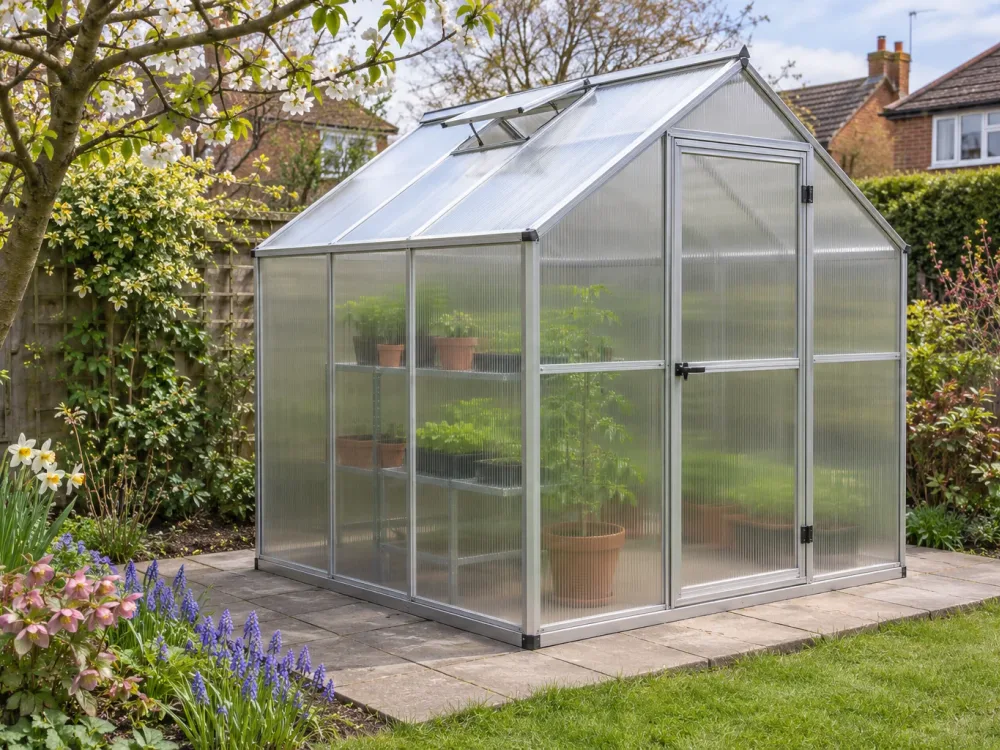
Map staging, borders and door clearance before comparing capacity.
Book Your Free InspectionCheck the precise metric measurements and whether they include gutters, door tracks or other projections. A nominal six-foot width is not a guaranteed installation dimension.
Sliding doors do not swing into the garden, but the track should remain clean and correctly aligned. Hinged doors need clear opening space. Compare opening width and threshold height.
More height improves headroom and gives tall crops room to develop. Compare the full specification rather than judging capacity from footprint alone.
Look at the number, size and position of roof or side vents. An automatic opener can respond to temperature without electricity, although its operating range and compatibility should be checked.
Aluminium is low maintenance, while timber needs ongoing care but can make shelves easier to attach. Compare frame profiles, bracing, corner plates and the fixings supplied.
Confirm whether a proprietary metal base is included, optional or unsuitable for the chosen foundation. The structure needs a square, level and securely anchored support.
Horticultural glass provides clear views and good light transmission, and individual panes can be replaced. It breaks into sharp pieces when damaged, so careful assembly and maintenance are required. Toughened safety glass is stronger and breaks into smaller granular pieces rather than large shards. It usually costs more, but it is worth considering in gardens used by children or pets.
Twin-wall polycarbonate is lightweight and diffuses light, which can soften direct sun and reduce harsh shadows. Its channels should be installed in the correct direction and the panel ends finished as specified so moisture, dirt and insects are less likely to enter. Polycarbonate can also flex or lift if panels and clips are not fitted correctly, particularly in exposed positions.
Do not compare glazing by material name alone. Check thickness, whether full-length panes or overlapping sheets are used, how each panel is retained and whether replacement sizes are readily available. Also confirm whether roof and side panels use the same material. Mixed-glazing models may combine clear side panels with a more diffused roof.
For any option, the frame, clips, seals and anchoring work as a system. A premium panel does not compensate for an unsuitable base or poorly secured frame.
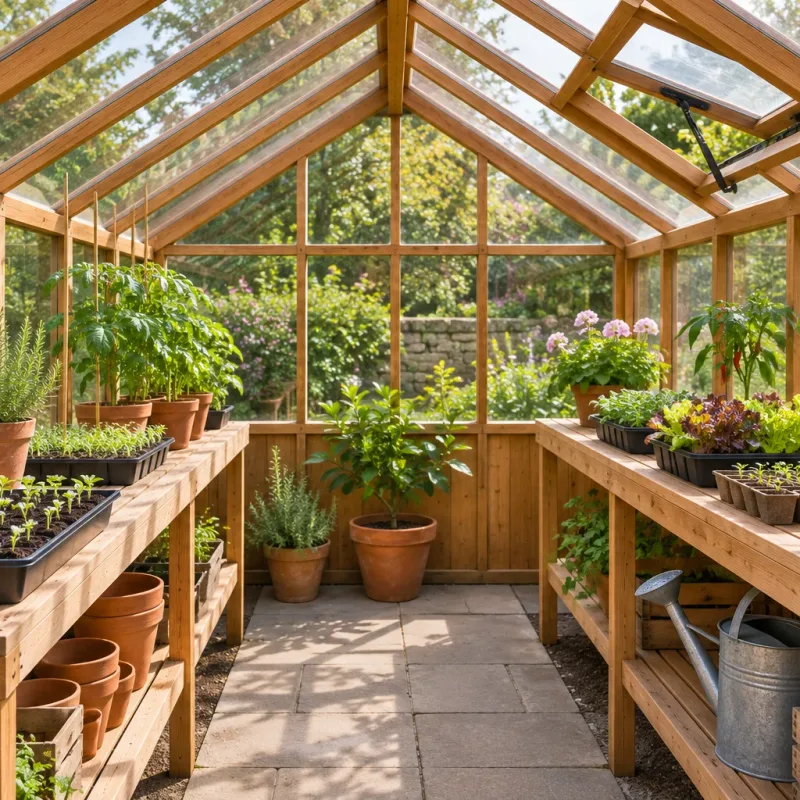
Compare panel type, thickness and retention method.
Book Your Free InspectionA compact greenhouse can warm quickly when sun reaches the glazing, including on bright spring days. Roof vents allow rising warm air to escape. Side or louvre vents can admit cooler air lower down and improve cross-flow, provided the model supports them. Opening the door helps, but it is not a complete substitute for controllable vents.
Compare the ventilation supplied with the greenhouse against the optional accessories available for that exact model. Retrofitting may be possible, but compatibility should be confirmed before purchase. Automatic vent openers are useful when nobody is available to adjust vents during the day. They still need correct fitting, seasonal checks and enough clearance to operate.
Wind exposure changes the buying decision. An open coastal garden, an exposed plot or a position that channels wind between buildings calls for careful attention to anchoring, bracing and panel retention. Manufacturer wind limits and siting instructions take priority. Avoid placing the greenhouse directly under weak branches, and keep opening panels secured when strong winds are forecast.
Rainwater goods can collect water for greenhouse use, subject to local restrictions and sensible storage. Check whether gutters and outlet fittings are supplied, and make sure runoff will not pool around the foundation.
Mark the exact external dimensions and allow for access, gutters, the door and installation work. Check overhead branches, slopes and obstacles at ground level.
List the trays, pots, climbing crops and overwintered plants you expect to keep inside. This reveals the staging, border space and height you need.
Balance clarity, safety, weight and replacement needs. Toughened glass may suit an active family garden, while polycarbonate can be easier to handle during assembly.
Check vents, base, anchoring parts, gutters, staging and delivery terms. A lower headline price may exclude components that another package includes.
Confirm the foundation, tools, number of people and access required. Review the manufacturer's instructions before delivery so the position is ready.
Confirm stock, delivery area, glazing choice, warranty terms and returns directly with the retailer. Product specifications and offers can change.
A frame assembled on an uneven or out-of-square support can distort, making doors difficult to operate and glazing harder to fit safely.
Common approaches include paving, concrete, perimeter foundations and correctly prepared ground systems. Follow the greenhouse and base manufacturer's requirements.
The base must be fixed in a manner suitable for the foundation and exposure. Freestanding weight alone should not be assumed to provide adequate restraint.
Keep water from collecting at the threshold or around the perimeter. A stable approach makes it easier to carry plants and equipment inside.
Compare the exact measurements, included components and retailer terms before committing to a greenhouse that must fit a tight garden position.
Book Your Free InspectionYou need more than a six-foot square because nominal sizes may differ from exact external dimensions and maintenance access is needed around the frame. Use the manufacturer's metric measurements, then allow for gutters, a door track or door swing, cleaning access and a stable approach. Planning permission and other rules can depend on position, height and property constraints, so check current guidance from your local planning authority when relevant.
Yes, a 6 x 6 greenhouse can accommodate tomatoes if its height and internal layout suit tall crops. A border or large containers along one side can leave the other side for staging and seedlings. Check eaves and ridge heights, allow airflow around foliage and avoid packing pots into the central aisle.
Prices vary widely because the frame, glazing, base, vents, accessories and delivery package differ between models. Polycarbonate or horticultural-glass kits may sit at the lower end of a retailer's range, while toughened glass, coloured frames and extra vents usually increase the total. Compare what is included and confirm the current total directly with the retailer before purchasing.
No, concrete is not always required, but every greenhouse needs a square, level and securely anchored foundation that meets the manufacturer's instructions. Suitable options may include paving, a perimeter foundation or a compatible proprietary base fixed to prepared ground. The right choice depends on the model, drainage, ground conditions and exposure.
There is no universal vent count because vent area, position, glazing, crops and exposure all affect airflow. Compare the roof and side ventilation supplied with each model, along with compatible extra vents and automatic openers. In the UK, bright spring sunshine can raise the internal temperature even when outdoor air feels cool.
Neither material is best for every garden. Toughened glass provides clear views and breaks into smaller granular pieces when damaged, while twin-wall polycarbonate is lighter and diffuses light. Compare panel thickness, retention, replacement availability and the safety needs of the greenhouse position.
No, Greenhouse Guide UK does not sell, manufacture, install or deliver greenhouses. It is an independent UK buying-guide and comparison business founded in 2026. Purchases take place on the chosen retailer's platform, and delivery or installation arrangements should be confirmed with that retailer.
Greenhouse Guide UK helps you weigh up dimensions, glazing, ventilation, bases and included equipment using sourced specifications and plain editorial guidance.